

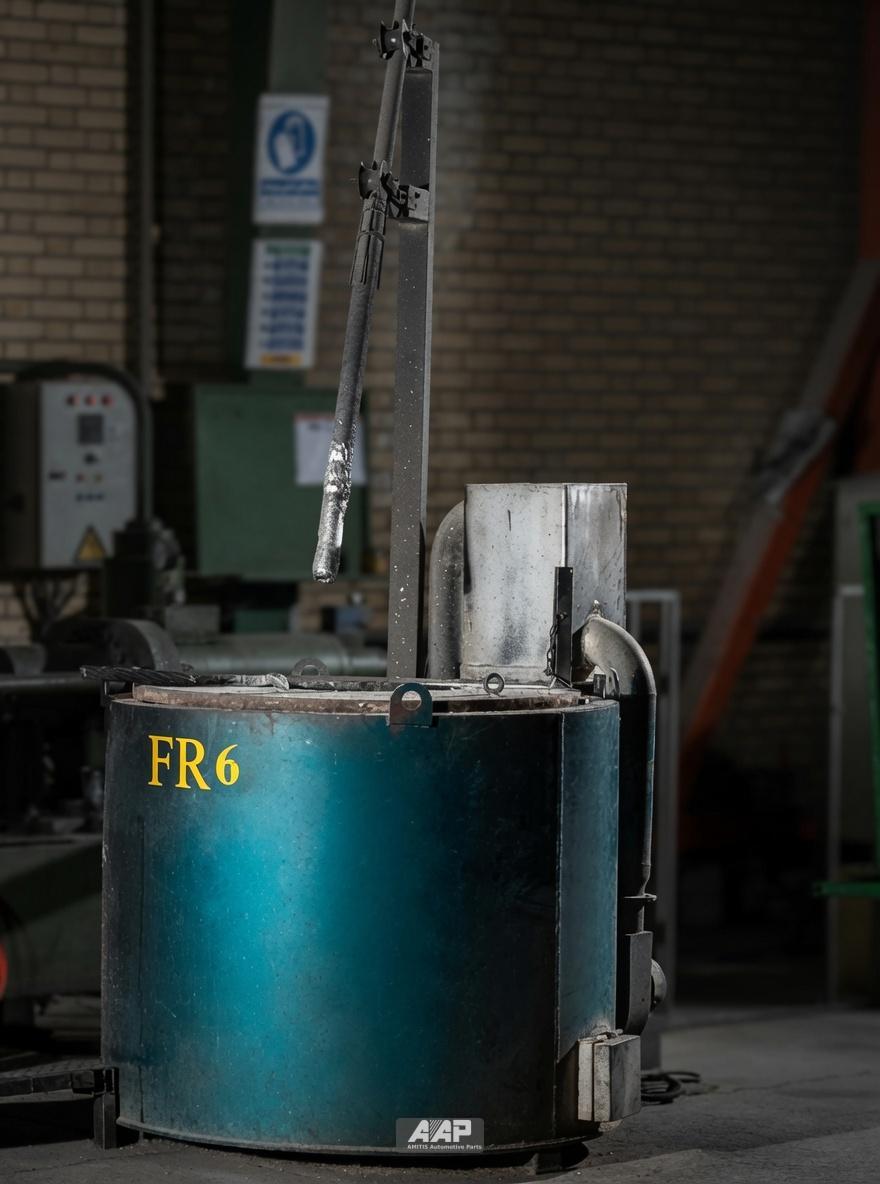
Introduction
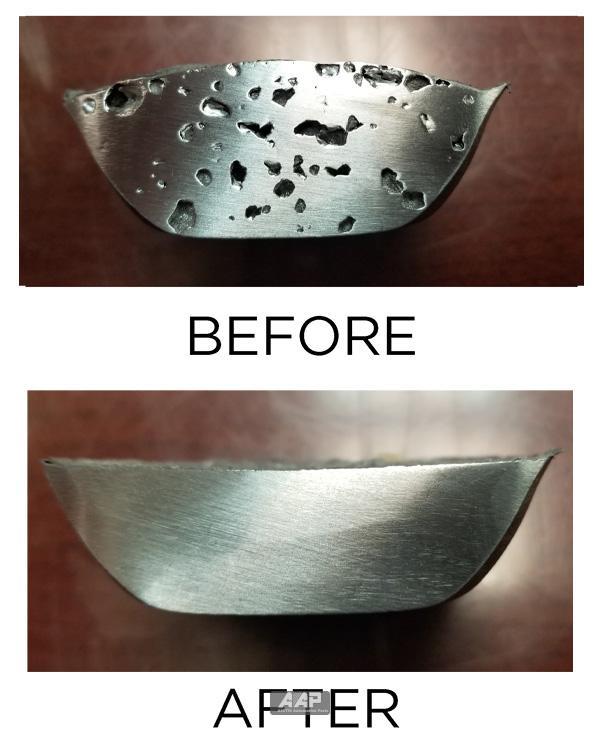
Degassing is one of the most critical stages of melt treatment in aluminum foundries. The main purpose of this process is to remove dissolved hydrogen gas from the molten aluminum in order to prevent gas porosity and the reduction of the mechanical quality of the final casting. Without proper degassing, produced parts suffer from defects such as porosity, loss of strength, and leakage, which directly affect scrap rates and customer satisfaction.
Why is Degassing Necessary?
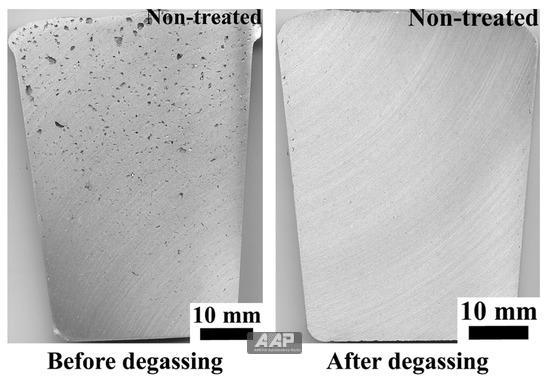
Molten aluminum has a very high tendency to absorb hydrogen. The main sources of this hydrogen include atmospheric moisture, moisture in raw materials and tools, as well as oils and residual organic materials. When the melt cools and solidifies, the solubility of hydrogen decreases sharply and the gas remains in the form of fine bubbles within the structure of the casting. These bubbles cause a decline in mechanical properties, leakage in pressurized parts, and rejection of the part in final inspection.
Common Degassing Methods
Several main degassing methods are used in aluminum foundries. The choice of each method depends on production volume, required quality level, and available budget:
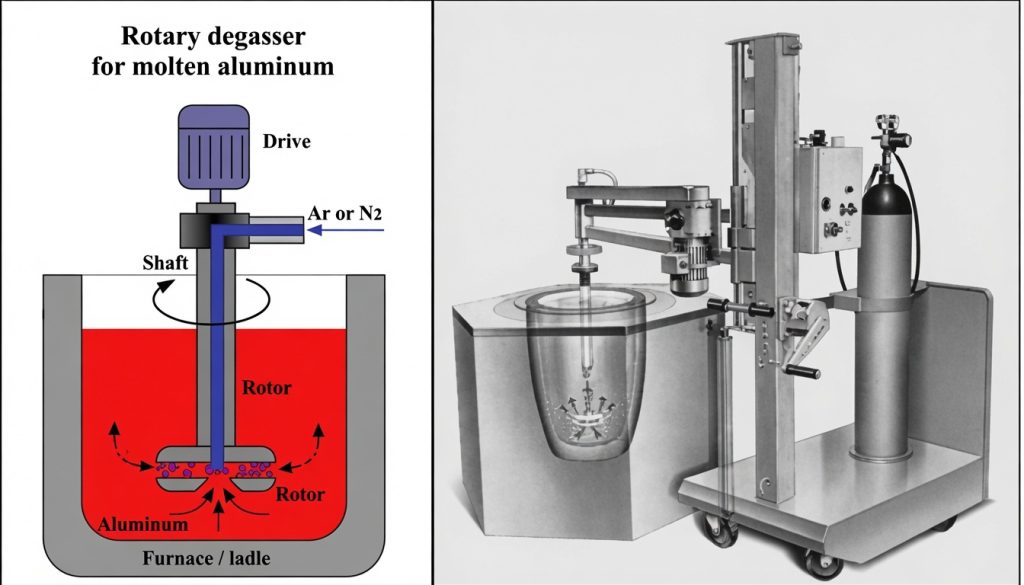
1. Rotary Degassing
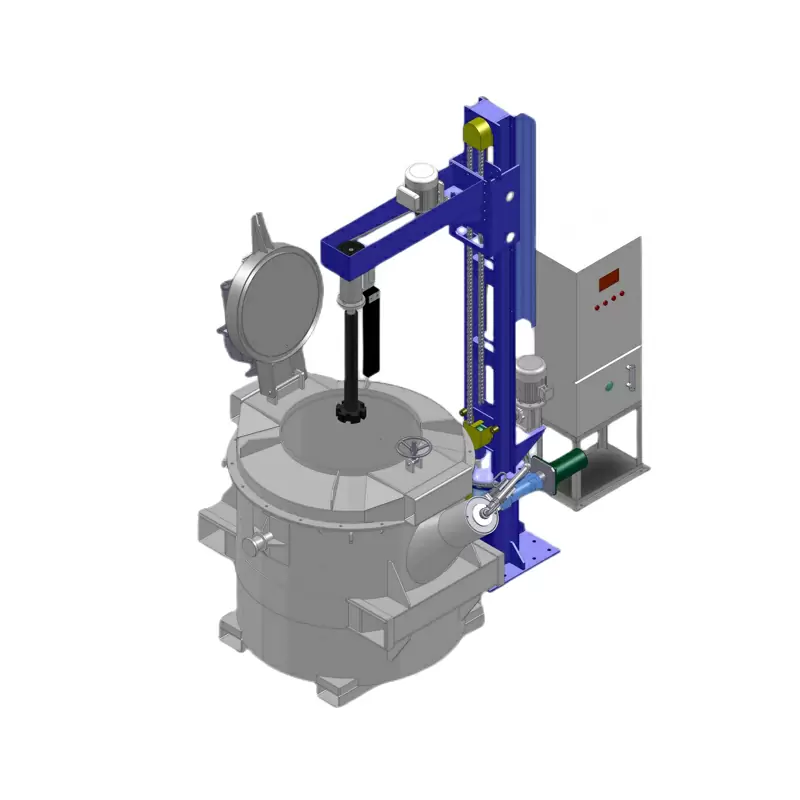
In this method, inert gas (argon or nitrogen) is injected into the melt through a rotating rotor. The rotor breaks the gas into very fine bubbles and maximizes the contact surface area. This method offers the highest efficiency and is recognized as the standard in modern foundries and for the production of critical parts.
2. Lance Degassing
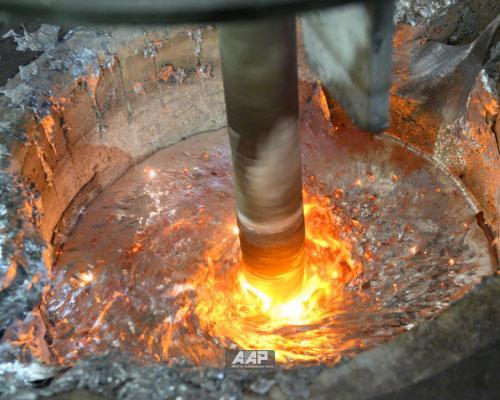
In this method, inert gas is injected directly into the melt through a fixed tube (lance) made of graphite or ceramic. Nitrogen gas is cheaper but may form nitrides in some alloys. Argon gas offers higher purity and better efficiency and is preferred for high-quality parts. This method is simple and low-cost and is widely used in workshops and medium-scale production, although its efficiency is lower than the rotary method.
3. Tablet Degassing
In this method, special chemical tablets are dropped into the melt. It is a simple and inexpensive method but offers less control and may produce smoke and secondary gases. It is mostly used for simple production and low volumes.
4. Vacuum Degassing
The melt is placed in a vacuum chamber so that the gases are removed. This method has very high efficiency but requires heavy investment and is mostly used in special and advanced industries.
Comparison Table of Degassing Methods
| Method | Efficiency | Equipment Cost | Ease of Use | Suitable Application |
|---|---|---|---|---|
| Rotary | Very High | High | Medium | Modern foundries and critical parts |
| Lance | Medium | Low | Easy | Workshops and medium production |
| Tablet | Medium to Low | Very Low | Very Easy | Simple production and low volume |
| Vacuum | Very High | Very High | Complex | Special and advanced industries |
Steps of the Degassing Process
The degassing process (whether rotary or lance) usually includes the following steps:
- Bringing the melt to the appropriate temperature (usually between 720 and 740 °C)
- Placing the rotor or lance at the proper depth in the melt
- Injecting inert gas with controlled flow rate and pressure
- Continuing the process for a specified time (depending on melt volume and method)
- Performing fluxing simultaneously or after degassing to separate oxides
- Removing the rotor or lance and preparing the melt for pouring into the mold
Important Process Control Parameters
To achieve the desired result, precise control of the following parameters is essential:
- Type of gas (argon or nitrogen)
- Gas flow rate and pressure
- Immersion depth of the lance or rotor
- Rotor rotation speed (in the rotary method)
- Degassing time
- Melt temperature
Advantages of Proper Degassing
- Significant reduction of gas porosity: Remarkable improvement in the internal quality of the casting
- Increased strength and toughness: Improvement of the mechanical properties of the final part
- Reduction of scrap: Higher acceptance rate of parts and lower production costs
- Improved machinability and pressure tightness: Suitable for critical and pressurized components
Challenges and Safety Notes
Despite its many advantages, degassing also presents challenges that must be managed:
- Consumption of inert gas and its cost
- Wear of the graphite rotor or lance and the need for timely replacement
- Risk of melt splashing if gas flow rate is improperly adjusted
- Need for a proper ventilation system at the process location
- Continuous monitoring of alloy chemical composition, especially when using nitrogen gas
The Future of Degassing and Potential Alternative Methods
With technological progress, traditional degassing methods are gradually being replaced or supplemented by newer and smarter technologies. The most important future trends include:
- Ultrasonic degassing: Use of ultrasonic waves to create very fine bubbles and increase efficiency without high consumption of inert gas
- Advanced and hybrid vacuum systems: Combination of vacuum with gas injection or electromagnetic stirring to achieve very high purity
- Intelligent closed-loop control: Use of online hydrogen sensors and artificial intelligence for automatic adjustment of gas flow, time, and parameters
- Electromagnetic stirring combined with degassing: Creation of melt flow without mechanical contact and reduction of equipment wear
- Plasma technologies and advanced degassing: Novel methods currently under laboratory development that may become industrial in the future
It is predicted that in the coming years, advanced foundries will move toward fully automated, low-consumption systems with real-time hydrogen monitoring capability, while traditional methods such as lance and tablet will be limited mostly to small-scale and low-sensitivity production.
Conclusion
Degassing is a key and indispensable stage in the production of high-quality aluminum parts. The choice of the appropriate method (rotary, lance, tablet, or vacuum) depends on production volume, required quality level, and the foundry’s facilities. Foundries that perform this process scientifically and under controlled conditions usually achieve lower scrap rates, higher quality, and greater customer satisfaction. Investment in suitable equipment, operator training, and precise control of parameters is the key to success in this part of the aluminum casting process. Attention to emerging technologies can also create a long-term competitive advantage for foundries.